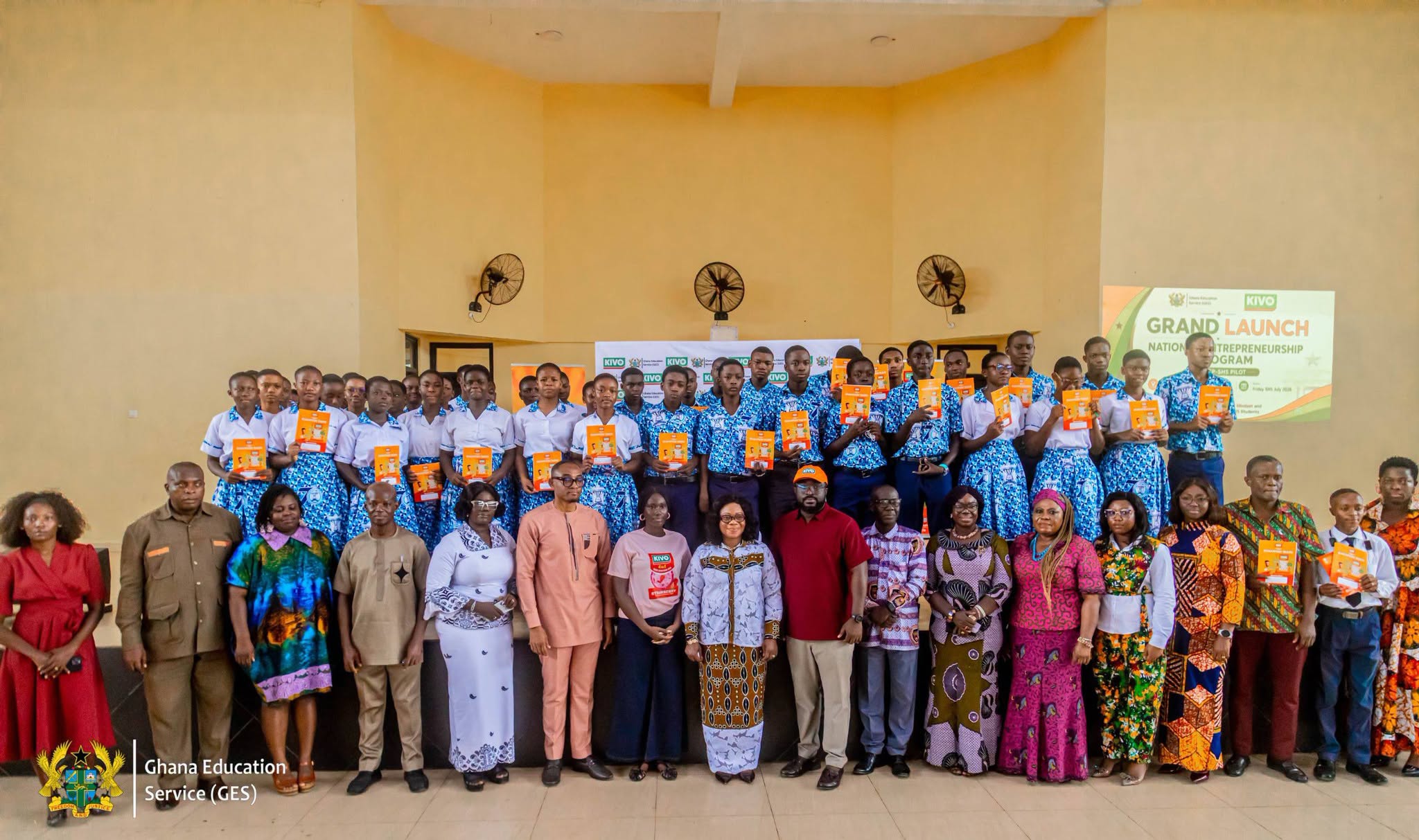
The Ghana Education Service (GES) has officially launched the National Entrepreneurship Pilot Programme for Senior High Schools (NEP-SHS) to equip second-cycle students with practical business creation skills. This milestone national initiative marks a structural shift from a theoretical framework to an experiential, job-creation focus. The program aims to transform young Ghanaians from passive job seekers into self-reliant economic innovators before they graduate.
What is the National Entrepreneurship Pilot Programme?
The new policy model introduces an intensive 10-month learning timeline running from June 2026 to April 2027. Developed by the Cultural Education Unit of the GES, the programme is run in direct partnership with Procus Ghana Limited, the parent company of Kivo Foods. The ultimate goal is to combat high youth unemployment rates by fostering early venture development mindsets.
The implementation framework follows a structured curriculum divided into five fundamental operational components. Students will move completely away from classroom rote memorization into real-world business scenarios.
- Module 1: Entrepreneurial Thinking and Mindset Shifting
- Module 2: Opportunity Identification within Local Communities
- Module 3: Venture Design and Product Innovation
- Module 4: Practical Enterprise Development and Management
- Module 5: Business Pitching and Investment Matching
Implementation Scope and Evaluation Metrics
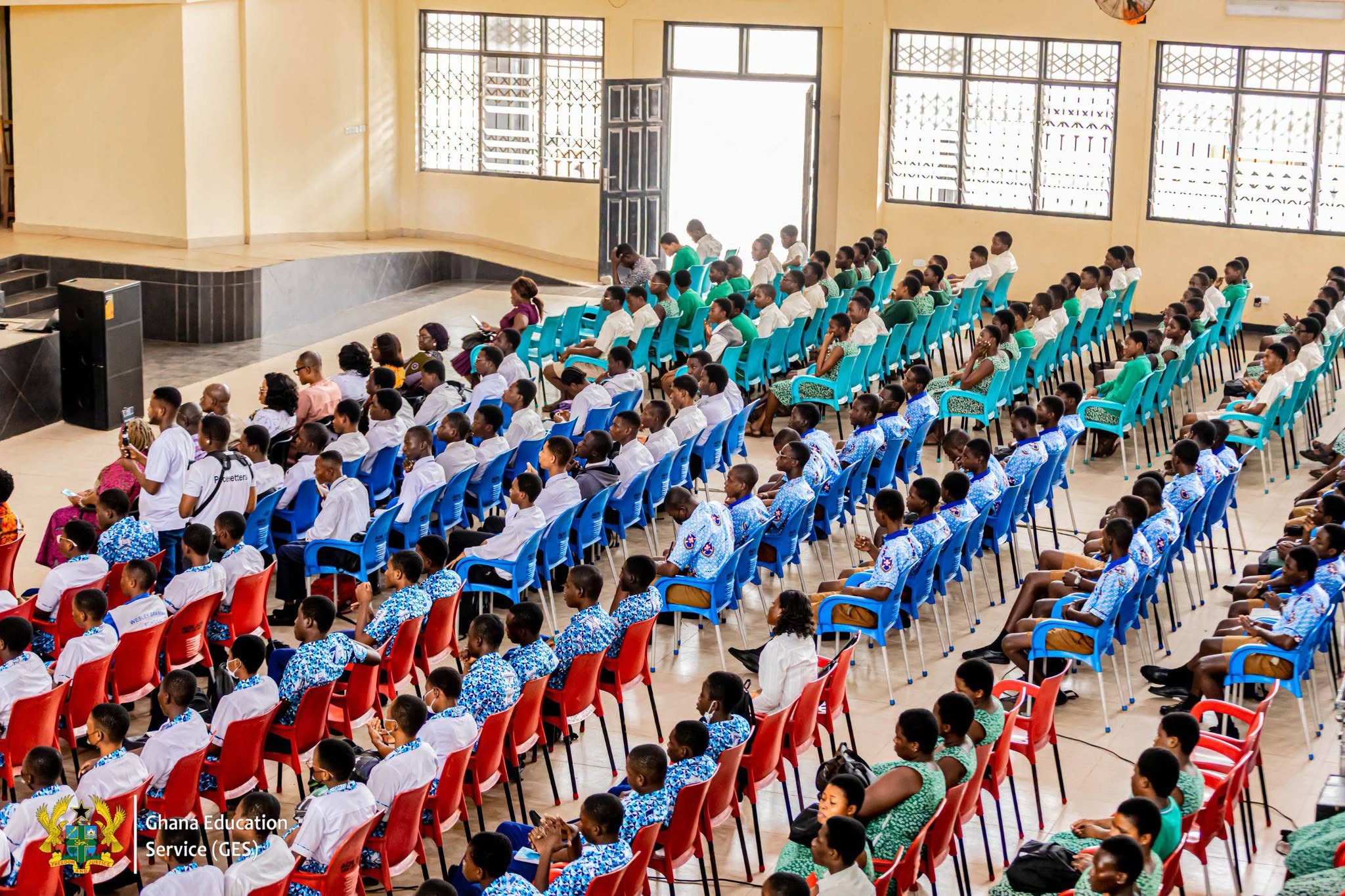
The strategic layout begins as a targeted pilot phase across three selected secondary schools within the Greater Accra Region. Specially trained educators and private-sector business mentors will directly guide the participating student cohorts.
| Pilot Program Metric | Detail Specification |
|---|---|
| Initial Phase Duration | 10 Months (June 2026 – April 2027) |
| Initial Core Pilot Schools | Achimota School, Wesley Grammar, Accra STEM School |
| Target Scale | Nationwide expansion following baseline evaluations |
| Culminating Event | Competitive venture pitching to real-world investors |
At the end of the pilot timeline, student teams will present their formal business models to a panel of commercial corporate leaders. Viable student business ideas will receive direct capital backing to build sustainable commercial startups.
Frequently Asked Questions
Which schools are participating in the initial rollout?
The pilot phase is actively running at Achimota School, Wesley Grammar School, and the Accra STEM Academy.
How long does the training cycle last?
The framework runs for a fixed duration of 10 months, integrating five modules alongside standard academic schedules.
What happens after the pilot phase ends?
The Ghana Education Service will evaluate baseline data and monitoring reports to execute a nationwide rollout to all SHSs.